
A sewer cleanout is a capped pipe at ground level that provides direct access to your home’s main sewer line. It’s usually found in the yard or near the street and allows plumbers to quickly reach underground pipes.
Cleanouts make it easy to clear blockages using drain snakes or cameras. Without one, fixing sewer clogs often requires digging or opening walls, which is far more expensive and messy.
They’re common in newer Perth homes, but older properties may need one installed. Keep the cleanout cap visible, sealed, and accessible—it can save time, stress, and costly repairs during plumbing emergencies.
Have more serious trouble than a basic clog? Maybe your line has a crack or a root intrusion. In those cases you’ll need more than a quick snake — you might want a full sewer repair guide to investigate causes and fixes. But let’s hold off on that major drama for now, and focus on your trusty cleanout.
Why Do You Need a Sewer Cleanout?
Imagine shoving a mop handle down every toilet and sink pipe in the house to clear a clogged sewer – exhausting, right? Without a cleanout, that’s often what plumbers have to do. A cleanout saves tons of time (and your sanity) by providing one spot to reach the main line.
Blockages happen – and Perth homes see their fair share. Tree roots are sneaky pests. Aussie gumtrees and palms will sniff out your pipes and send tiny roots to feast on leaking moisture. They wedge into joint cracks and boom, instant plug. Grease and fat from kitchen sinks can harden like concrete inside drains.
And here’s a lesson learned by many: those “flushable” wipes or excessive toilet paper? They love to form fatbergs in Aussie pipes. Plus, bits of hair, sand from kids sneaking dirt into the shower, or even toddler toys lost down toilets can join the party. All these things can gather, slow the flow, and suddenly you’ve got a backup.
A cleanout is a must-have if you want to stay ahead of these disasters. If your home has a sewer cleanout, it’s easier, faster, and less stressful to fix blockages (just like having an extra life in a video game – you’ll be grateful when you hit level “Massive Clog”).
If you’re wondering why your home “needed” a sewer cleanout, it’s likely because installing one upfront can save thousands in future repair hassle. In WA, builders often fit them during construction. If yours got missed, plumbers can add one later. And it’s so worth it – it’s like insurance for your drains.
How a Sewer Cleanout Works – The Step-by-Step
So you’ve got a cleanout. How does it actually save your rear end when the pipes back up? Here’s a casual walkthrough:
- Locate the cleanout cover. In Perth yards, cleanouts often peek out near the house foundation or in a flowerbed. They’re usually a short PVC or metal pipe sticking up with a round cap or lid on top. Sometimes they’re hidden in grass – keep an eye out for something that doesn’t look like a flowerpot. You might see markings like “CO” (cleanout) or “Sewer.”
- Open the cap. This might require a wrench or special tool (and some muscle). If it’s been years, that cap can be as stubborn as an old jar lid. You may need to spray a little penetrating oil and give it a good turn. Safety first: wear gloves and goggles – you never know what surprises lurk inside.
- Identify the problem. Once open, you’ll see a vertical pipe descending. If the clog is minor, you might even see sewage just under the cap – gross, but helpful info (and a cue to not breathe in!). Most times, though, you’ll need a tool.
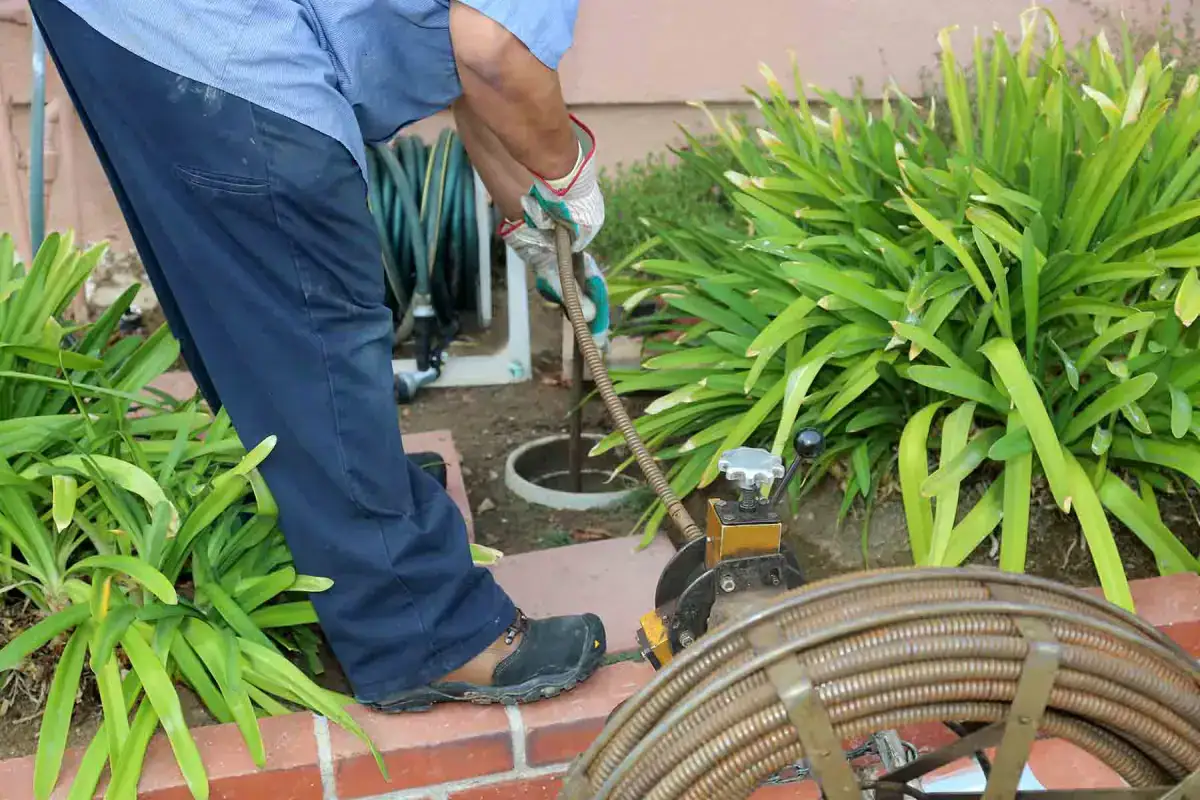
- Snake or jet the line. This is where the fun starts. A plumber will feed a long flexible snake (also called a drain auger or “electric eel”) down through the cleanout. Think of it like fishing around in the drain: the coil will grab, twist, and shred through grease, hair, tree roots, or whatever is stopping the flow. Sometimes they’ll attach a cutting head that chews through tougher stuff. For really stubborn or widespread blockages, they might run a high-pressure water jet down the pipe, like a firehose for drains, blasting away the gunk.
- Flush and check. After clearing, they’ll run water or flush a toilet to see if it all flows smoothly. If it drains like normal (and doesn’t come back up), you’re golden. If not, repeat the snaking or consider a camera inspection to pinpoint hidden damage.
- Replace the cap and clean up. Screw the cap back on tight. You’ll likely smell that “relief” odour when it’s done – literally fresh air. Clean any mess, wipe down tools, and enjoy not worrying (at least for now).
If this sounds a bit technical, that’s because it can be tricky. Straight sections of clear pipe (via the cleanout) are ideal for these tools. Trying to snake from inside the house (toilet or tub) can be awkward and may not reach deep clogs. The beauty of the cleanout is giving plumbers open runway to fix problems at the source.
DIY vs Hiring a Plumber
Look, I get it – calling a professional feels like a drainer sometimes (no pun intended). Maybe you’re thinking, “I’ll just do it myself with that snake I got online.” And hey, for minor clogs you might succeed. If your blockage is right at the front of a drain, a hand-crank snake can help you tackle it. Just remember to:
- Use caution: Sewage and cleaning chemicals are yucky and can be hazardous. Wear gloves, goggles, and old clothes.
- Don’t push too hard: If you feel real resistance, stop. You might be poking your snake into the wrong hole or worse, breaking a pipe.
- Flush carefully: Always have someone watch or pour water steadily. If you push water with the snake in, it could squirt out a different drain or overflow a sink.
That said, lots of clog issues aren’t minor. Deep or persistent backups almost always warrant an expert. Plumbers have industrial gear and know-how. They can test if the problem is beyond just a clog – like a tree root intrusion or cracked pipe – and fix it properly. Also, they can ensure it’s safe: that means protecting potable water from contamination and disposing of waste correctly.
One DIY no-go: Those chemical drain cleaners or DIY mixture of bleach/vinegar baking soda. They can cause more harm than good. In your septic or sewer they kill the good bacteria that break down waste, and hot chemicals can corrode pipes (especially older ones). They also don’t punch through big clogs effectively. So save yourself a ruined p-trap and health risk – call a pro.
In Perth, licensed plumbers must do sewer work for a reason. They know local codes (yes, plumbing has rules) and carry liability insurance. If you DIY and something goes sideways – like flooding your yard or poisoning your trees – you’ll wish you’d spent the money.
For anything beyond a very light clog, picking up the phone to a plumber is the safest bet. You’ll often get advice over the line on initial steps anyway. Don’t underestimate the stress of a major blockage – it’s worth getting the job done right.
Costs: What to Expect to Pay
Let’s talk dollars and sense (get it?). In Perth, sewer services can run a broad range depending on what’s needed. Basic clearing is usually the cheapest route, while major repairs or installations run into the thousands. Here’s a rough breakdown of what you might spend:
| Service / Task | Typical Perth Cost |
|---|---|
| Plumbing snake (auger) drain clearing | A$165 – A$300 |
| Hydrojet (high-pressure) cleaning | A$300 – A$800 |
| Sewer camera inspection | A$350 – A$600 |
| Install a new sewer cleanout | A$500 – A$2,000 (depending on digging) |
| Sewer line relining or repair | A$2,000 – A$15,000 (length/depth) |
| Emergency call-out (after hours/weekend) | Usually +20–50% surcharge on above |
These figures aren’t magic – they come from local plumbing guides and experience. For example, simple snaking jobs often fall in the low hundreds. If it’s a nasty root ball or grease trap, you might opt for a hydrojet, which costs more but cleans thoroughly. A camera scan is sometimes used first to diagnose; it’s worth it if your plumber can pinpoint the clog rather than guess in the dark.
Installing a brand-new cleanout (if you don’t have one) requires excavation and plumbing work, so budget a few grand (depending how far they must dig and pipe run). And replacing a whole sewer line is a major job (think thousands up to around $15k if it’s a long run or under concrete).
Don’t forget labor and call-out fees. Many Perth plumbers have a standard service fee (often $60–$100) just to come check things out. After that, they charge an hourly rate (maybe $100–$220/hr) plus the actual work. Emergency or holiday calls can hit you with hefty surcharges, so if your drains burp on a Sunday night, expect to pay more than a weekday.
That table above gives ballpark ranges so you can compare quotes if needed. Plumbers will often give you a fixed quote once they diagnose the issue via camera or initial inspection. It’s always fair to get a couple of quotes for bigger jobs, but be wary of any quote that seems too low – could be a trap to sneak in more costs later.
Who pays what? In Perth, take note: problems inside the property sewer line are on you. If the blockage is on your side of the boundary, you handle the fix; if it’s beyond your property (out in the street main), that’s on the utility providers. This means regular maintenance of your home’s lateral line is up to you – so don’t ignore early warning signs.
And one more thing from the experts: leaking sewage can carry nasty bugs. Damaged or blocked sewer parts must be fixed immediately. They’re talking human health – leaking sewage can carry nasty bugs. Bottom line: fix it fast. Treat sewer care like any other home safety issue. The sooner it’s gone, the happier (and healthier) you’ll be.
DIY Prevention Tips
Prevention beats a stinky cure any day. Here are some quick tips to keep your sewer line flowing (and your nose happy):
- Skip the grease and fat. Never pour cooking oils, butter, or gravy down the sink. Once hot grease cools, it turns solid. Instead, scrape pans into a bin or let oil congeal in a container and toss it.
- Trap hair and debris. In showers and tubs, use a strainer to catch hair. No, nobody wants to fish that stuff out, but it’s better than a blockage.
- Be wipe-wise. Those moist “flushable” wipes can really pack out a sewer. Treat them like tissues and bin them instead. Same goes for cotton swabs, dental floss, or anything that shouldn’t dissolve.
- Plant trees sensibly. If you love gum trees (like many Perthies), be aware their roots are powerful. Don’t plant big trees right over the sewer line, and if you already have them, consider a root barrier or regular professional inspections.
- Flush right. Only human waste and toilet paper go in the loo. Sometimes even too much toilet paper at once can stress older pipes.
- Routine rinsing. Every few months, pour a bucket of hot water down each drain (not boiling, but comfortably hot). This can help flush away early build-ups of soap and grease. A safe mix of vinegar and baking soda can also be used as a natural cleaner.
- Scheduled checks. If you own an older home or notice repeated issues, have a plumber run a camera inspection yearly or bi-yearly. It’s worth the peace of mind.
These habits won’t make clogs impossible, but they’ll definitely reduce them. Your sewer line will thank you (with quiet pipes and no unwanted surprises).
Conclusion
Alright, you’re now armed with the low-down on sewer cleanouts. You know that they’re that little lifeline in your yard that can save you a plumber’s callout and a fortune in digs. You’ve learned how to spot problems (odd gurgling sounds, slow drains, toilets backing up), how a plumber will use the cleanout to sort things out, and roughly how much it might cost. You’ve also got prevention tips to keep the sewer behaving nicely.
In the end, it’s all about staying ahead of trouble. If your drains ever give you grief, don’t ignore it or hope it goes away. A timely cleanout session can turn a potential nightmare into a quick fix. If you’re ever in doubt or the blockage gets wild, call a licenced Perth plumber and let them handle it – they do this stuff every day, and it’s their jam.
Stay vigilant, take care of that underground plumbing, and you’ll save yourself heaps of hassle (and embarrassment) down the track. If this guide helped demystify the sewer cleanout process, give it a thumbs up and share it with friends. And hey – if you have any of your own sewer war stories or tips, drop them in the comments. We’re all in this together, keeping Perth’s pipes flowing smoothly.
For official guidance on sewer responsibilities in Western Australia, visit the Water Corporation resource.
Now go forth, locate that cleanout cap in your yard (maybe mark it so you don’t forget!), and keep those sewers happy. And remember: a hero is what a homeowner becomes with a wrench in one hand and knowledge in the other. 😉
Frequently Asked Questions
What exactly is a sewer cleanout?
A sewer cleanout is a capped pipe at ground level that provides direct access to your home’s underground sewer line. It’s used to clear blockages and inspect the sewer without removing walls or digging. Think of it as a maintenance hatch for your drains.
How much does it cost to have a sewer line cleared?
Simple snaking jobs typically cost a few hundred dollars in Perth (around $165–$300 for snaking, more for jetting). More complex jobs (like hydrojet cleaning or relining) can run a bit higher. Expect to pay extra for after-hours or emergency service. Getting a plumber to come out (call-out fee) and diagnose is usually the first step, and they’ll quote you a price before doing major work.
Can I clear a sewer blockage myself?
You can try mild DIY methods for small clogs (like a hand-held drain snake or enzyme drain cleaner), but be very careful. Only attempt it if the clog is minor and easily reachable. For anything more serious (especially if multiple drains are affected), call a professional. DIY mistakes can make things worse and risk damaging pipes.
How do I find the sewer cleanout on my property?
Look for a round or rectangular lid or cap in your yard, side yard, or near the driveway. It might be in a concrete slab or in grass. Often it’s near the front of the house or property boundary. If in doubt, ask your plumber or builder – they can tell you exactly where to look on your block.
How often should I maintain my sewer cleanout?
There’s no set schedule, but checking it once a year is wise. Ensure the cap is intact and not blocked by soil or debris. If you’ve had repairs or tree work done nearby, double-check for any root intrusions. Otherwise, pay attention to how your drains feel: any change in speed or noise can be a hint to use the cleanout.