
Picture this: you roll out of bed and hop into the shower expecting a steaming wake-up call, only to be blasted with icy cold water. Yikes! No one wants that surprise (except maybe a polar bear). For Perth homeowners, a reliable hot water system isn’t just a luxury – it’s a modern necessity that makes daily life cozy.
After all, a well-chosen hot water heater “makes daily tasks like showering, washing dishes, and doing laundry more comfortable”. If you’re facing an old heater on the blink or thinking about an upgrade, getting your hot water system installation right is crucial.
In this guide, I’ll walk you through everything you need to know – from picking the right type of system, to understanding costs, to avoiding the usual hiccups. By the end, you’ll feel confident (and warm!) when you turn that tap on.
Types of Hot Water Systems
There are four main kinds of hot water systems you might consider in Perth: electric storage, gas (either storage or continuous flow), solar, and heat pump. Each has its quirks:
- Electric Storage: About 50% of Aussie homes use electric hot water tanks. These are generally the cheapest to buy and install, and they work by heating a large tank of water ready for use. On the downside, they can be expensive to run on your power bill unless you have solar panels. In a sunburnt city like Perth, running an electric system on rooftop solar can significantly slash those bills.
- Gas (Storage or Instantaneous): Gas systems (natural gas or LPG) heat water with a flame, either in a tank (storage) or on-demand (instantaneous). They tend to have medium-to-high installation and running costs. Gas is efficient and heats water fast, which is great on chilly mornings. But you’ll need proper venting and gas lines installed by a licensed plumber (and open flames indoors!), so installation is a bit trickier.
- Solar: Perth’s abundant sunshine makes solar hot water systems a tempting choice. These use roof-mounted solar collectors (flat panels or glass tubes) to heat water in a storage tank. A booster element (gas or electric) kicks in on cloudy days. Solar systems are pricey to buy and install, but government rebates (like Small-Scale Technology Certificates) can ease the pain. In sunny WA you could slash 50–90% off your hot water bills with solar, turning the harsh sun into free hot water.
- Heat Pump: These are like refrigerators running in reverse. A heat pump extracts ambient heat from the air and uses it to heat your water. They’re about 3 times more efficient than conventional electric units, so they’re cheap to run. However, the up-front costs are on the high side. They also require outdoor space (for the compressor) and work best in mild climates – in Perth’s warm weather they’re highly effective.
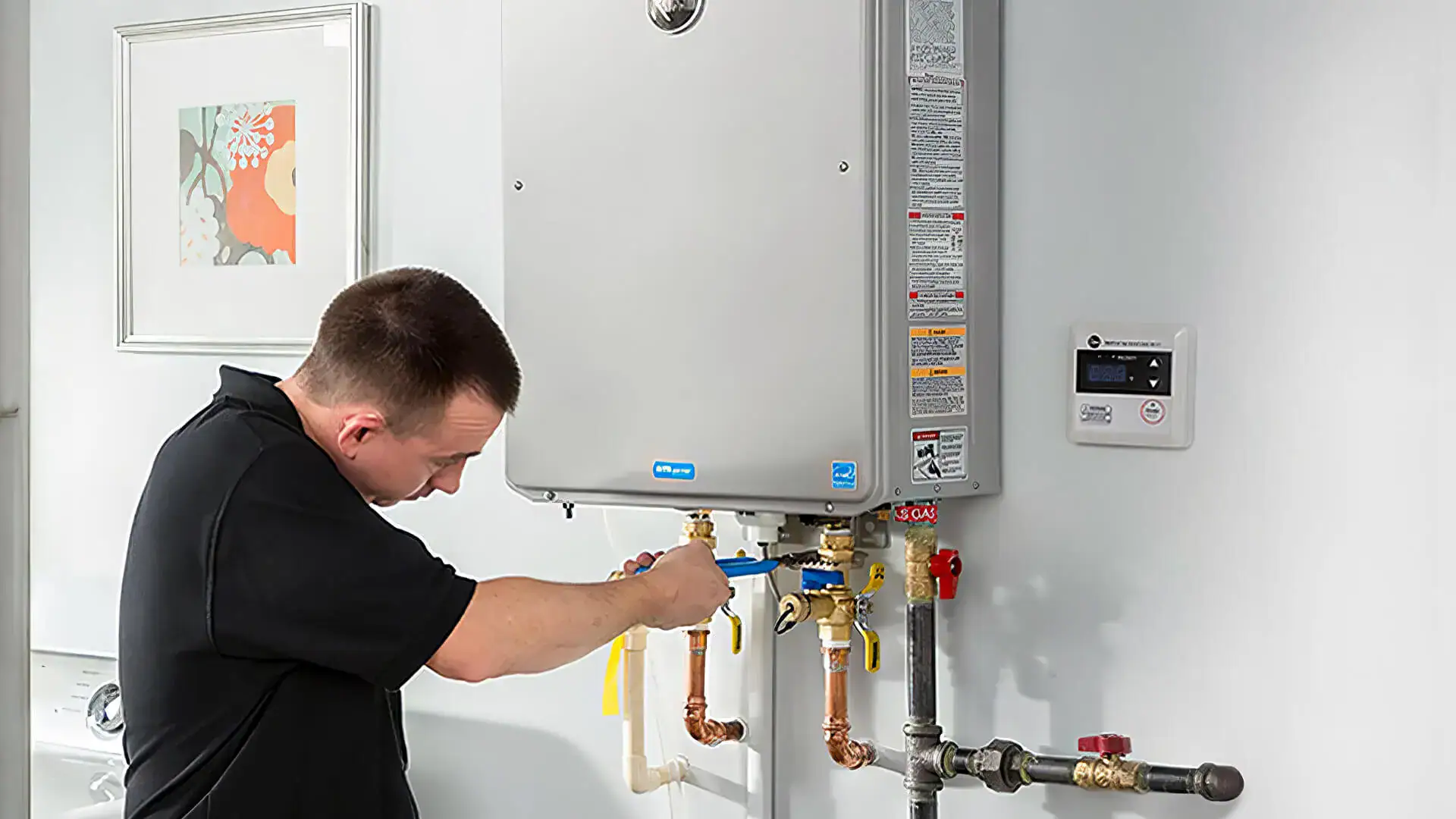
Each system type comes with trade-offs in price, efficiency, and complexity. (Insert image of a technician adjusting a hot water heater on a house wall here.) When choosing, think about your home’s needs: how many people shower daily, whether you have a gas line, how important energy savings are, and where you can mount a tank or collector.
For example, a large family might need a bigger tank or a high-capacity continuous flow gas unit, while a couple might get away with a smaller electric tank.
Hiring a Professional Installer
Hot water systems involve plumbing, gas, and sometimes electricity – it’s definitely not a weekend DIY project unless you’re a certified plumber! You’ll want a hot water system installation expert in Perth to do the job. A licensed professional brings peace of mind.
The Australian Government’s energy advice bluntly says: “Look for a licensed installer in your area”. In other words, don’t trust Uncle Joe’s cousin down the road if he’s not fully licensed. A pro will size the system correctly, mount it safely, and connect all the pipes and wires without a fuss.
They’ll handle the tricky bits like pressure valves, temperature controls, and gas venting (if required). Best of all, a qualified plumber makes sure your new heater complies with Australian standards, so it’s safe and won’t void any warranties or insurance.
If you’re asking “How do I even find a good installer?”, start with referrals or local reviews. In Perth, a reputable plumber will explain your options clearly and give you an upfront quote.
A solid professional will save you time, money and grief in the long run. They’ll even test-run the system and lend you a temporary heater if yours failed unexpectedly. Trust me, getting that done right will make your life easier than a tropical holiday in Broome.
Installation Costs in Perth
Let’s talk numbers: how much will the hot water system installation set you back? Prices can vary wildly based on system type and home specifics. In general, electric systems are cheapest to install, and solar systems are most expensive.
A recent Perth plumbing guide reports that most hot water installs fall between about $1,600 and $4,500, though range-toppers and complex jobs can hit $7,000 or more. To break it down:
| System Type | Typical Installed Cost (AUD) | Approx. Annual Running Cost |
| Electric Storage | $1,600 – $2,900 | ~$950 – $1,450 |
| Gas Storage (135–170L) | $1,550 – $3,800 | ~$900 – $1,700 |
| Gas Instantaneous (Tankless) | $1,800 – $4,800 | ~$1,250 – $1,900 |
| Heat Pump | $3,500 – $4,995 | ~$478 – $700 |
| Solar (Roof-Mounted) | $4,000 – $6,800 | ~$389 – $530 |
(Typical installation and running costs based on Perth market data.)
From the table, you can see electric systems are the cheapest up-front (but remember their running costs are higher on the power bill). Solar systems have the highest sticker price, but their running costs are lowest if you have enough sun.
Note that government rebates can knock a few hundred dollars off some systems – for instance, installing an efficient gas unit or solar/heat pump model might make you eligible for incentives.
In practice, your final quote will depend on details. For example, fitting a new system exactly where the old one sat is cheaper. But if you decide to relocate it (say from the backyard to inside or vice versa), or upgrade from electric to gas, expect extra work: new piping, electrical wiring or gas lines, and possibly a bigger circuit breaker.
Perth homes with steep driveways or tight access (siding or trees in the way) can also push labor costs up. Size matters too – a 50-liter tank is much cheaper than a 400-liter beast. Always get quotes that itemize labor and parts so there are no nasty surprises. (If in doubt, ask your plumber: a good expert will talk you through why one price is higher than another.)
Installation Process & Tips
Here’s the quick and dirty on what happens during installation. Think of these as the main milestones your plumber will tackle (and you should check off):
- Turn Off & Drain – First, your plumber shuts off the power (or gas) and drains the old tank. This prevents flood surprises. Old units often need to be disconnected and removed (bye-bye rusty relic).
- Position the New System – The new heater is placed in position. For a storage tank, that might mean securing it to a wall or floor bracket. If it’s a solar heater, the collector panels go up on the roof (a task for a sunny morning!). Instantaneous units are usually wall-mounted. Care is taken to follow manufacturer specs (e.g. use a level, ensure structural support, etc.).
- Connect Utilities – This is the heart of the job. Cold water inlet and hot water outlet pipes are plumbed in. If it’s a gas system, a gas line and vent/hood are fitted (by law, only a gas-licensed plumber can do this). If it’s electric, new wiring and a suitable switch or circuit breaker might be installed. The installer will also add necessary safety parts: a temperature/pressure relief valve, an expansion control valve if needed (especially in Perth’s sometimes high-pressure water systems), and insulating jackets or seals.
- Fill and Test – The tank is filled with water and purged of air. Then it’s fired up: electricity or gas is turned back on. The plumber checks for leaks, makes sure the pilot light or element heats the water, and tests the temperature controls. They might flush the system once to clear any leftover debris. Essentially, they take it for a test drive, so by the end you should have water at the tap and no drips anywhere.
Throughout this process, communication is key. A friendly installer will explain what’s happening (feel free to ask “Why that pipe, mate?” or “What’s this valve for?”). Always insist on seeing the final test – after all, this is your hot water on the line. A good installer will also clean up after themselves, leaving your home as tidy as before (no one likes stray copper shavings in the laundry room!).
Maintenance and Efficiency Tips
Once your hot water system is in place, here are some clever tips to keep it running smoothly and cheaply:
- Insulate the Tank and Pipes: If it’s a storage tank (electric or gas), insulating blankets and pipe lagging can reduce heat loss, saving energy (and money). Ask your plumber if a blanket was included.
- Set a Reasonable Temperature: 60°C (140°F) is a common setting – hot enough to kill bacteria, cool enough to save energy. Every degree lower can save about 3% on running costs. (Yes, a slightly cooler shower morning can mean serious savings over a year.)
- Flush Periodically: Hard water can leave mineral sediment in your tank. Flushing the tank once a year (or draining a bit monthly) helps maintain efficiency. Many Perth suburbs have moderately hard water, so this is a good habit.
- Watch for Leaks and Warning Signs: Keep an eye on your system. If you see puddles, hear clanking noises, or notice discolored water, call your plumber. Early fixes can avoid catastrophic tank bursts later.
- Use Off-Peak Rates (Electric Systems): If your electric system has an off-peak connection (sometimes called “economy” power), make sure it’s switched on. Heating water at night when power is cheaper can cut your bills with no effort from you.
- Size It Right: Big tank, big bill. If you ended up with a 300L monster but only two of you live there, you’re wasting money heating water you don’t use. Conversely, an undersized system means frequent shortfalls. When installing, double-check the capacity versus your household needs.
Being proactive on maintenance and efficiency means you’ll extend your system’s life and save on power. And trust me, nobody regrets having a scalding-hot shower when they need it!
Regulations & Government Rebates
In Australia, water heaters must meet plumbing and energy standards. All installations have to comply with Australian safety codes, so only a licensed plumber should touch gas or electrical connections. This is important not only for safety, but also if you want to claim any government incentives.
Speaking of incentives – the good news is there are some. The Australian Government’s energy website points out that solar and heat pump hot water systems can qualify for Small-scale Technology Certificates (STCs). In practice, this means you can get hundreds of dollars knocked off your purchase price if you install an approved solar or heat pump system.
Some states (and the feds) also run occasional rebates for replacing really old electric units. For example, in WA there are sometimes rebates of up to $400–$1,000 for high-efficiency heat pump or solar systems. It pays to do a quick search or ask your installer: they often know what rebates or loans are current.
On the flip side, you’ll need to tick a few boxes: your installer must register the job, fit approved valves, and in some cases the plumber will sign off that the work meets codes. (This is all part of keeping you safe from scalds, leaks, or carbon monoxide hazards.) If you plan ahead and work with a knowledgeable company, you’ll end up with not only a legal installation but potentially some cash back in your wallet.
Conclusion
Installing a hot water system in Perth doesn’t have to be a dive into the unknown. By understanding your options, budgeting wisely, and hiring a qualified installer, you can dodge the pitfalls of cost overruns and cold showers.
Hot water system installation may seem daunting at first, but armed with the right info and a friendly plumber, it becomes just another home project – one that pays off in daily comfort. Now that you know what’s involved, why not get a quote from a local expert and plan your upgrade? After all, life’s too short (and showers too important) to settle for lukewarm.
Happy installing, and here’s to many more steamy, relaxing showers ahead!