
Picture, it’s a chilly Perth morning and you step into the shower expecting a steamy wake-up – only to be greeted by an icy blast. Brrrr! There’s nothing quite like a surprise cold shower to jolt you awake (or knock your day off track) – trust me, I’ve been there. We Aussies all take our hot water systems for granted… until they give us the cold shoulder.
But fear not, this Perth-focused guide covers common hot water headaches, how to troubleshoot or fix them, and even what it might cost in local dollars. Read on – your future warm shower will thank you.
What can go wrong?
You might wonder, what on earth can go wrong? Hot water systems (whether electric tanks, gas heaters, solar panels or heat-pumps) can act up for many reasons: old age, hard water, or even the weather. Perth’s famously hard water, for example, means minerals love to build up in your tank and on heating elements, making them work overtime (and not getting as hot). Or maybe a sudden power glitch tripped a breaker.
Sometimes an aging tank will start leaking simply because it’s fed up of life. These issues usually strike at the worst time – like when you’re half-asleep at dawn. The good news is most problems have solutions, and not all mean a full system swap.
When to call a pro vs when to try DIY
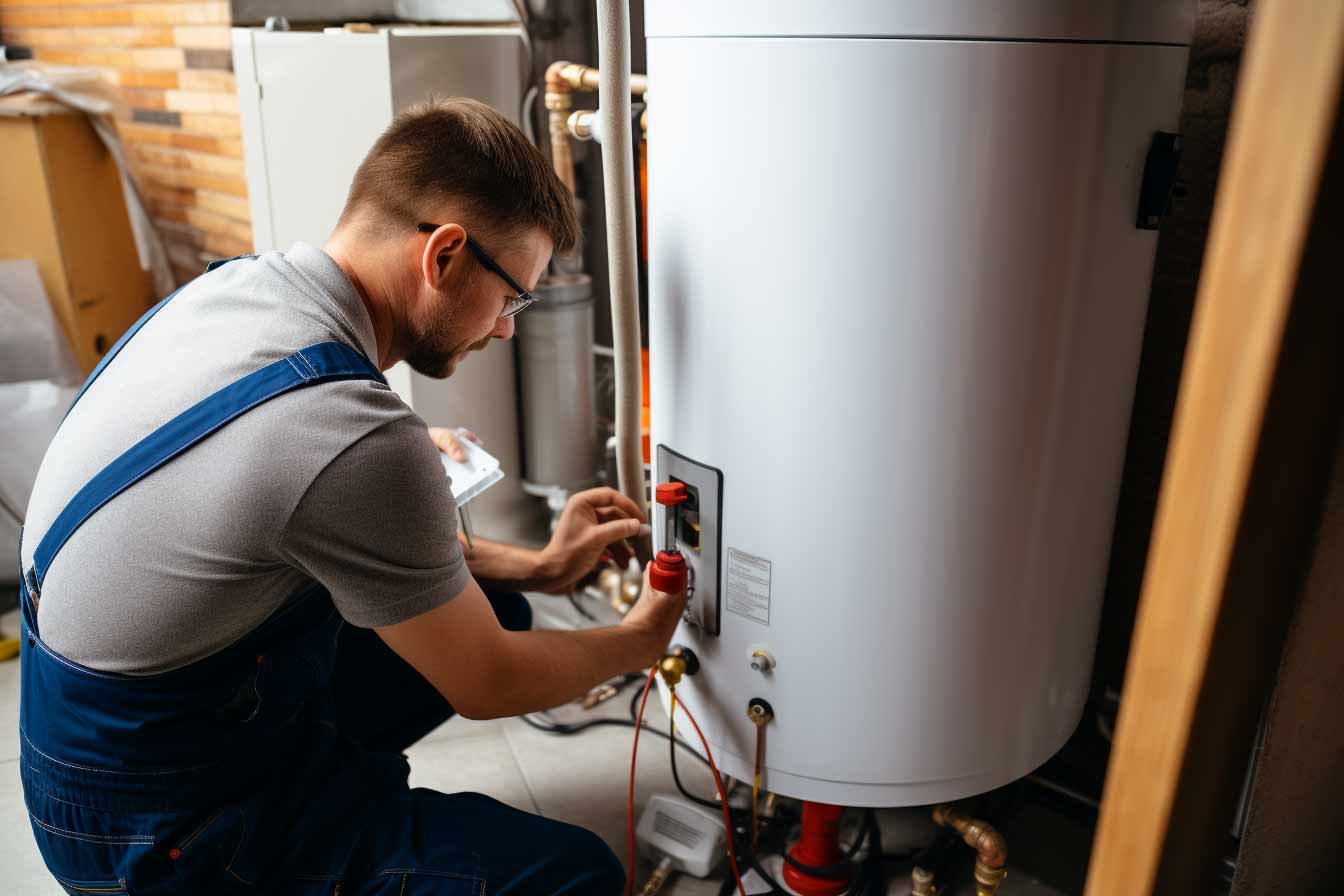
If your shower game is in trouble, sometimes the wisest move is to call in help. I’m all for a bit of DIY (“There’s a YouTube fix for that, right?”), but with hot water it pays to be careful. Messing with gas lines or high-voltage wiring is no joke. When in doubt, dial up a Hot Water System Repair expert in Perth.
These licensed plumbers and gas-fitters live and breathe water heaters. They’ll diagnose the issue fast, fix it safely, and get your hot water flowing again without the drama. No “icebox showers for you” necessary.
Common problems
So what kind of dramas are we talking about? Here are the usual suspects when hot water systems misbehave:
- No hot water at all – This is the classic “what the…?” moment. Often the culprit is simply a tripped circuit breaker (flip that switch!) or, for gas heaters, a pilot light that went out. Sometimes a burnt-out heating element is to blame.
- Not enough hot water – If you run out of hot water too fast or it never got piping hot, sediment build-up inside the tank or a failing thermostat/element is often the cause. It’s like trying to boil pasta in a kettle with a paperclip in it – it just won’t heat properly.
- Inconsistent temperature – One minute scalding, the next freezing? It could be a dodgy mixing valve, a cranky thermostat, or even another tap stealing hot flow. Crossed pipes or overlapping zones (like simultaneous laundry and shower use) can make your system tantrum.
- Leaks or drips – Any puddle under the tank or wet spots on pipes is a warning sign. It might be a loose fitting or a failed pressure-relief valve. Fixable with a wrench… or, if rusty, may mean “goodbye tank.”
- Weird noises – Popping, hissing, or rumbling usually means sediment is building up in the bottom, making the tank work extra hard. It could also be trapped air pockets or simply a metal part expanding. It’s annoying, but more a symptom than the core problem.
- Rusty or smelly water – If your hot tap water looks brown or smells like eggs, something’s off. Brown means corrosion inside (tanks rust over time). A sulfur-like smell is bacteria having a party in that warm, damp tank. Both need attention before you skip town.
- Low hot water pressure – Sometimes your heater’s fine, but the flow is weak. Scale in pipes, a partially closed valve, or even your neighbors all showering at once can be culprits. Check outside taps to see if it’s system-wide or just the heater side.
Understanding the problem is half the battle. Next, let’s talk about fixes – some you can try yourself, others are best left to the pros.
Fixes and maintenance
Many fixes boil down to routine maintenance or swapping a part. For example, a clogged pressure valve or sediment-filled tank can often be sorted by a simple flush or part replacement. Tightening a loose fitting, installing a new anode rod, or changing a heating element can restore hot showers with minimal fuss (and usually without emptying your savings). Draining and flushing the tank once a year can clear out mineral gunk – a godsend in hard water Perth.
Even poking the pressure-relief valve now and then to let out a little water can stop scale from building up. However, if your system starts acting really weird – like a gas flame that won’t stay lit, or breaker trips that keep repeating – don’t hesitate. Call the licensed pros. Safety with electricity and gas is no joke, and a qualified plumber will have the right tools and know-how.
Perth repair cost estimates
How much will this all set you back in Perth? Repair costs vary depending on the issue and system type, but here’s a rough local guide:
| Issue/Part | Solution | Estimated Perth Cost (AUD) |
|---|---|---|
| Thermostat or heating element | Replace faulty component | ~$150 – $350 |
| Pressure-relief (T&P) valve | Replace valve | ~$150 – $250 |
| Anode rod (rust rod) | Replace rod | ~$100 – $200 |
| Sediment buildup | Flush tank (DIY or pro) | ~$50 – $150 |
| Minor leaks (fittings) | Tighten/seal fittings | ~$100 – $250 |
| Major leaks (tank corrosion) | Tank replacement | ~$500 – $1,500+ |
| Gas burner/pilot issues | Replace part | ~$200 – $400 |
These are ballpark figures for Perth. Small parts and a bit of labor generally cost a few hundred dollars. For example, swapping a single heating element or a valve is usually well under $500. But if an old tank is shot or multiple parts fail, costs climb – a whole new electric tank typically starts around $1,000+, and gas units can be a bit more.
Emergencies or weekends? Expect call-out fees. A smart move is to weigh repair vs replacement if your heater is past 10–15 years old (tanks often live about that long). Sometimes putting a little more into a new efficient model saves money in the long run.
Safety & compliance: WA rules you should know
Last but not least, remember: safety and compliance are everything. In Western Australia, any gas hot water repairs or installations must be done by licensed gas-fitters and plumbers. The WA Government’s Building & Energy department publishes official technical guidelines on water heater installations to keep everyone safe (e.g. ensuring tempering valves to prevent scalds).
In plain terms, if your system uses gas or mains electricity, don’t gamble with dodgy repairs – get a ticketed professional. They’ll make sure everything meets local codes and standards. Trustworthy experts are an investment in peace of mind (and avoiding carbon monoxide or shock hazards).
Conclusion
In summary, a bit of knowledge goes a long way toward hot showers. By catching small issues early – say, flushing the tank yearly, checking valves, and replacing worn parts – you can extend your heater’s life and avoid frantic mornings. If problems do arise beyond your comfort zone, give the pros a call.
A reliable plumber in Perth can tackle most fixes quickly, getting you back to that blissful warm water. Go enjoy that hot cuppa or a relaxing shower, knowing you’ve armed yourself with the know-how. And if this guide helped, feel free to share it with fellow Perth-siders battling plumbing woes. Stay warm, stay safe, and may your showers always be hot!