
So, your sewer system is a big deal. If it acts up, you’re in trouble. Imagine stepping into your backyard and finding a stinky puddle bubbling up where it shouldn’t be – that’s a red flag your sewer’s in crisis. Weird odors from drains or unexpected wet spots? Something’s off.
In Perth’s climate, sewer issues can escalate fast. Keep reading to learn what causes sewer damage, how much sewer repairs might run, and your fix options – from simple clean-outs to high-tech trenchless re-lining.
Imagine a bundle of buried pipes like the ones above. They quietly whisk away wastewater every day, until bam – suddenly trouble. Some sewer issues are minor (like a clog a drain snake can fix), but others are major. If you ever see raw water bubbling from a yard drain or a surprise sinkhole, it’s time to bring in an expert.
Deciding between a weekend DIY and calling a pro can be tricky. If the problem looks serious – for example raw sewage backing up – it’s usually best to have a licensed plumber handle it rather than risk damage (more on pros vs DIY below).
When you do call a pro, expect high-tech gear: cameras, jetters, and pipe-lining kits. Sometimes you’ll see crazy things – one plumber even found a toy truck buried in a sewer! It just goes to show sewer work is like detective work – you never know what’s lurking down there.
If you find it’s beyond a simple fix, that’s when you should get an experienced plumber involved. For a good perspective on when to call the experts, check out Professional Burst Pipe Repair in Perth. So, what sets off a sewer disaster in the first place? There’s a whole bunch of culprits:
- Tree roots – These green invaders are notorious for sneaking into cracks in sewer pipes. Once inside, roots grab moisture, swell, and block the flow (and can even crack pipes as they grow). The Water Corporation warns that roots will “creep into underground wastewater pipes and cause damage and even blockages,” often forcing whole sections of pipe to be replaced In short, a nearby tree with thirsty roots can wreck your sewer.
- Grease and gunk – Fat, oil, and grease coat pipe walls like cholesterol in an artery. Over time it hardens into a sticky plug. Remember the last time you poured cooking oil down the sink? It likely cooled and grabbed every hair or food crumb going by. Excess fats are a top cause of sewer blockages, so always wipe pans with a paper towel before rinsing and use drain strainers.
- Foreign objects – Kids’ toys, “flushable” wipes, sanitary items, cotton buds – you name it, someone might flush it. These objects can snag in a pipe and cause big backups. Keep drains screened and educate everyone at home: only toilet paper should go down the loo.
- Aging or damaged pipes – Many Perth homes (especially older ones) have clay or cast-iron sewer lines buried underground. Clay can crack with soil movement; old iron will eventually rust through. When these old pipes crumble, leaks and sinkholes can suddenly appear where you least expect it.
- Ground movement – Perth’s soils expand, contract, and shift with the seasons. This ground movement can bend, kink, or crack buried sewer lines over time, especially if they’re shallow.
- Heavy impacts – Rarely, heavy construction equipment or vehicles can damage a sewer line. If you plan major digging or planting, call the Dial Before You Dig service first to locate pipes safely.
The warning signs of sewer trouble are usually hard to miss once you know them. Slow or gurgling drains mean water isn’t flowing freely. Sewage smells wafting from floor drains or outdoors are a screaming red flag.
If you notice water pooling around a drain trap or your yard feels unusually squishy, look out for a hidden leak. In short, any weird sounds, smells, or puddles around drains should prompt action – don’t just hope it goes away.
Sewer Repair Methods Explained
Once we know what’s wrong, here are the popular ways to fix it:
- Snaking (Drain Cleaning) – The basic fix. A plumber feeds a long metal snake or auger down the pipe to break up clogs or cut minor roots. It’s quick and cheap (often under $300) with no digging. But it’s only a temporary fix for blockages – it doesn’t repair a damaged pipe itself.
- Hydro Jetting – The heavy-duty cleaning option. A pressurized water cannon blasts grease, sludge, and small roots off the pipe walls. Plumbers often use it after snaking to deep-clean the entire pipe. It’s pricier ($200–$400), but it can clear long runs of pipe quickly. It still won’t fix a cracked or collapsed pipe – it just cleans it.
- Pipe Re-lining (Trenchless Repair) – A clever modern solution. After inspecting and cleaning the pipe, the plumber inserts a flexible fabric liner soaked in epoxy. This liner is inflated to fit the pipe’s interior and then hardens, sealing cracks and leaks. It’s like giving your old pipe a brand-new interior. Pros: minimal digging (just small access holes) and a long-lasting fix (many liners come with 20+ year warranties). Cons: it has to be a mostly intact pipe to work; severe collapses or misalignments may rule it out.
- Spot Dig & Replace – If only a short section is bad, the plumber carefully digs right above that spot, removes the damaged piece, and glues in a new section of pipe. Then they backfill the trench and fix the ground above. It’s less invasive than replacing the whole line but still leaves a trench to repair.
- Full Pipe Replacement (Traditional Trench Dig) – The ultimate fix. The plumber digs a continuous trench along the entire sewer path, removes all old piping, and lays brand-new PVC. Then they refill and restore the land. It’s a sure-fire solution (100% new plumbing) but very expensive and disruptive – after this, you’ll have to redo lawns, driveways, or concrete. A full house sewer replacement (20–30m of pipe) easily runs $15,000–$25,000 or more when you include digging, materials, and restoration.
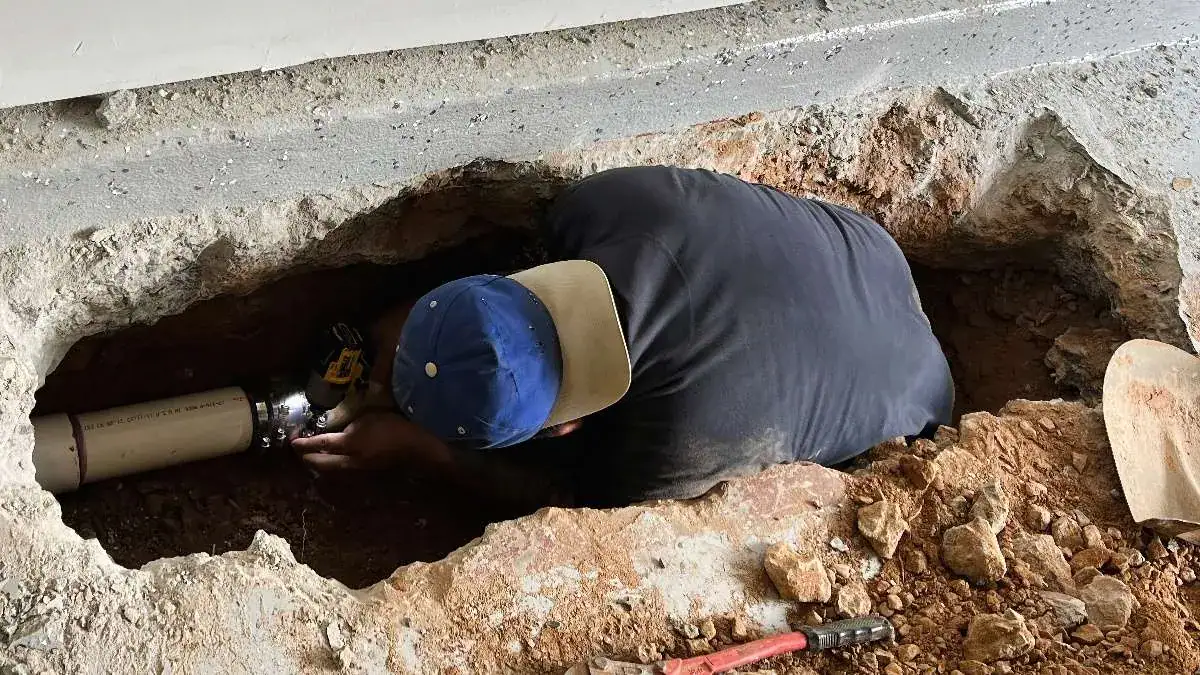
Here’s a peek at a full replacement in progress: a big trench and fresh pipes ready to go in. Notice how wide that hole is – definitely not a cheap job. Trenchless re-lining, by contrast, would need only two small holes (one at each end of the pipe) and none of this upheaval.
But remember, if the existing pipe is totally collapsed or sagged, trenchless isn’t an option and full digging may be your only choice.
Method Comparison
| Repair Method | Pros | Cons | Typical Cost |
|---|---|---|---|
| Snaking | Fast, low cost, no digging | Temporary; won’t fix pipe cracks | ~$100–$300 (per clog) |
| Hydro Jetting | Deep cleans grease/roots along pipe walls | More costly gear; no fix for structural damage | ~$200–$400 |
| Pipe Re-lining | No large holes; durable (often 30yr warranty) | Requires an intact pipe and access holes | ~$500–$800 per metre |
| Spot Replace (Dig) | Fixes serious cracks in one location | Still digs up yard; intermediate cost | ~$1,000–$3,000 per spot |
| Full Replacement | Completely renews the entire line | Most expensive; major restoration afterward | $15,000–$25,000+ |
This comparison shows the trade-offs. If your problem is just a little root nibble or leak, trenchless re-lining or a spot repair is often the sweet spot – much cheaper and less messy. If the pipe is mostly gone, only full replacement fixes it permanently.
Cost and Practical Considerations
We’ve given some ballpark numbers above, but remember: sewer repairs can balloon quickly. Besides the repair itself, factor in some extras:
- Call-out fee: $80–$150 just to have a plumber visit, before doing any work. After-hours or weekend calls often cost 1.5–2× the normal rate.
- Compliance certificate: In WA, any major plumbing job legally requires a certificate of compliance. Plumbers usually include this (about $100–$200) in the quote.
- Restoration costs: If we have to dig up your yard, driveway, or concrete, plan to pay for patching or re-laying those surfaces too.
Always get multiple quotes. Make sure each quote lists labor, parts, and permit fees. A very cheap quote might skip important steps or use lower-grade materials; a very high quote may include extended warranties or premium finishes.
Preventing Sewer Problems
A bit of care can save huge headaches. Here are proactive tips:
- Watch what you flush – Only flush human waste and toilet paper. No wipes, tissues, cotton buds, nappies or cotton swabs.
- Dispose of grease properly – Pour cooled cooking oil or fat into a container and bin it. Use sink strainers to catch food scraps and hair.
- Plant trees smartly – Keep large trees and shrubs away from sewer lines. If planting near a sewer, choose shallow-rooted species (the WA Waterwise guide has root-friendly tree lists). If you already have big trees near your pipe, consider having roots trimmed every few years.
- Get regular inspections – Have a plumber camera-inspect your sewer every 3–5 years or at the first sign of trouble. Catching a small crack or root invasion early (when it’s cheap to fix) beats dealing with a full collapse later.
Conclusion
Sewer repairs might be gross, but they’re necessary. Remember to hire qualified pros—it’s the law in WA and helps protect your home. Now you’re ready to tackle sewer problems with confidence. Keep an eye (and a nose) out for warning signs, act quickly, and you’ll save time, money, and mess in the long run.