
Emergency Toilet Unblocking is one of those things you never think about until it suddenly becomes the only thing you can think about. It usually happens at the worst possible time — right before work, when guests are over, or late at night when you’d rather be doing literally anything else.
When your toilet stops behaving the way it should, you want quick answers, simple steps, and a clear idea of what to do next. That’s what this guide is here for. Whether it’s a small blockage you can fix yourself or a bigger issue that needs a plumber, you’ll get practical tips to help you stay calm and get things flowing again.
What Clogs a Toilet in Perth?
Blocked toilets happen more often than we’d like to admit, and the culprits are usually surprisingly simple (and sometimes silly). Common causes include:
- Too Much Toilet Paper: We’re not in the era of gold leaf wipes; if you toss a family-sized roll down the bowl, it will clog. Even those “eco” low-flow toilets need a bit of TLC to flush it all.
- Non-Flushable Items: This one’s huge – think baby wipes, sanitary products, cotton buds, dental floss, paper towels or any “flushable” wipes. These items won’t dissolve like toilet paper and can gum up the works. Experts warn that wipes and heavy papers are a prime reason for blocked pipes. Only pee, poo, and (toilet) paper – the “3Ps” – belong in your bowl.
- Foreign Objects: Kids (or adults) occasionally drop toys, jewellery or toothbrushes in the loo. It sounds crazy, but an enterprising toddler can cause a lifetime of clogging if you flush that LEGO down the hatch.
- Hair and Gunk: Especially in ensuite toilets connected to bathroom drains, hair and soap scum can build up in the U-bend or pipes, blocking the way. It’s like a tiny, icky drain dam.
- Tree Roots (Outside Pipes): For more stubborn cases, large tree roots can intrude on old clay or damaged pipes outside the house, causing repeated clogs. Perth’s soil can sneak roots into sewer lines, but that’s usually a job for an expert plumber to detect.
- Faulty Toilet Mechanics: A failing flapper, float or fill valve in the tank can leave you with a weak flush. Modern low-flow toilets save water, but sometimes not enough to clear a heavy load. A poorly set fill valve can also leave too little water in the bowl for a solid flush, leading to persistent clogs.
So next time your throne refuses to flush, check if you’ve accidentally broken the “toilet code”. As WA’s plumbing regulators put it: “Only the ‘3Ps’ should be flushed: pee, poo and (toilet) paper.” Anything else and you will end up with a plumbing headache.
Quick DIY Fixes for a Blocked Toilet
Before dialing the emergency plumber, let’s try some quick fixes. First rule: don’t panic. With a bit of elbow grease (and the right tool), many clogs can be cleared at home. Here’s your step-by-step mini-arsenal:
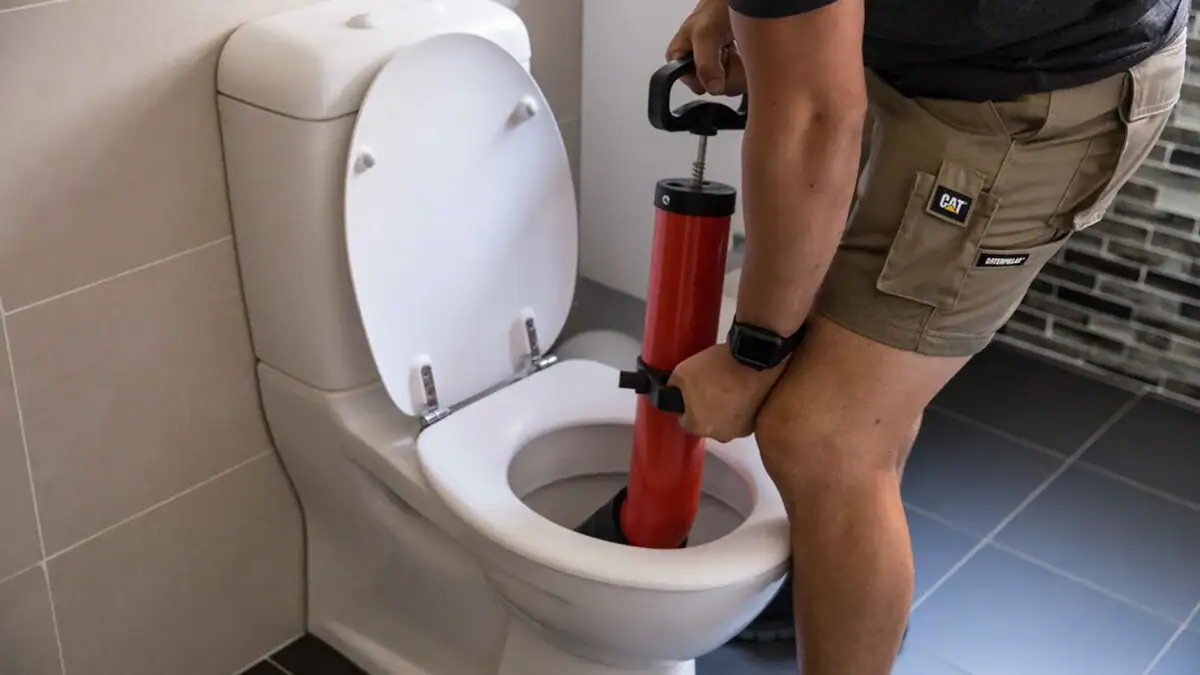
- Plunge Like a Pro: The humble plunger is your first line of defense. Use a flange plunger (the one with a rubber collar) for best seal. Press it firmly against the hole in the bowl, then plunge up and down vigorously – patience, persistence and a good seal are key. If you hear gurgling or feel the clog loosen, great – flush carefully. Repeat a few times if needed.
- Auger to the Rescue: If plunging fails, a toilet auger (also called a snake) is next. Insert the coiled tip into the bowl and crank the handle to break up or grab the blockage. Augers reach deeper into the trap than plungers and can snag hair or debris. (Be gentle; too much force can scratch the porcelain.) If you don’t have one, they’re usually cheap at hardware stores. Pro tip: wear gloves and eyewear; this can be messy work.
- Hot Water & Dish Soap: If the water level is low, pour about a cup of dish soap into the bowl (it lubricates) followed by a bucket of near-boiling water (not scalding, to avoid cracking). The heat and soap can soften grease or waste. Let it sit 10–15 minutes then try plunging again. This works like a charm for mild, organic clogs.
- Baking Soda & Vinegar: A classic home remedy is to dump one cup of baking soda, then one cup of white vinegar into the bowl. It will fizz up. After 15–20 minutes, follow with hot water and plunge. It’s eco-friendly, but not a guaranteed unblocker—think of it as insurance.
- Enzyme Drain Cleaner: There are enzymes (biological cleaners) sold for toilets – they eat away at organic residue overnight. They’re safer for pipes than harsh chemicals. Use these when you have time (overnight soak) and nothing in the bowl is hurting anyone. Note: chemical drain cleaners (like sulphuric acid or bleach mixtures) are generally not recommended for toilets – they can damage pipes and don’t work well on solid objects like wipes.
- When All Else Fails – Call a Professional: Sometimes you hit an impasse (especially if the toilet overflows or you suspect the blockage is beyond reach). If plunging sends you “round the bend” and the blockage won’t budge, it’s time to call in the pros.
For more stubborn situations or multiple clogs, consider Blocked Drain Solutions – a resource with tips and when to get professional help. If you notice slow drains elsewhere or sewer smell, the issue may lie beyond the toilet itself.
When to Call an Emergency Plumber
Okay, say you’ve tried everything above and the loo still laughs at you. Or maybe water is gushing over the rim – eek. That’s when it’s time for a licensed plumber.
In Western Australia, only a licensed plumber can do regulated plumbing work (like altering pipes, installing fixtures, etc.). The good news: homeowners can do simple tasks like plunging. But anything beyond that – or any major blockage – legally needs a pro.
Let’s be clear: if your toilet is threatening to overflow and your DIY fails, don’t just stand there with a bucket. Shut off the water to the cistern (there’s usually a stopcock on the pipe). Then call an emergency plumber who can use tools like an electric snake or hydro-jet to clear the line.
While an urgent call-out can be expensive, it’s often worth every cent. After all, a plumbing disaster can ruin floors and walls, so fixing it fast is money well spent in the long run.
If you’re in Perth, search for an “emergency plumber Perth” (many offer 24/7 service). Confirm their license and insurance.
Note: if you’re renting, check your lease – your property manager may require a specific emergency plumber to avoid billing disputes. Otherwise, you’ll likely pay upfront and sort it out later. Either way, keep receipts and a clear head.
Cost of Emergency Toilet Unblocking in Perth
Let’s talk numbers – not as fun as plumbing talk, but crucial for your wallet. Emergency plumbing isn’t cheap. In Perth, expect:
| Service | Typical Perth Cost |
|---|---|
| Hourly Rate (regular hours) | $90–$100 per hour |
| Call-Out Fee (daytime) | $60–$180 per visit |
| Hourly Rate (after-hours/emergency) | $150–$350 per hour |
| Call-Out Fee (nights/weekends) | $150–$300 for the trip |
| Average Clog Unblock (total) | $150–$300+ for a simple toilet clog |
With these figures, a late-night toilet fix can easily approach $500 or more. For example, a plumber might charge $80/hour plus a $100 call-out fee on weekdays, but if you ring them at midnight on a Sunday, you could see rates jump to $150/hour plus a $200 emergency fee. Typical emergency plumbing jobs vary, and clogged drain services often fall in the $150–$300 range.
To manage costs: get a quote upfront, ask if multiple fixes can be combined in one visit, and try to schedule non-urgent work in business hours. Some plumbers offer fixed quotes or capped emergency rates, so it pays to shop around.
Prevention: Keep the Pipes Clear
An ounce of prevention is worth a pound of — well, blocked toilet. Here are some tips to avoid the next loo meltdown:
- Remember the 3 Ps: Flush only pee, poo and (toilet) paper. All else goes in the bin. It sounds basic, but adhering to this rule saves thousands on plumbing. The WA Government and industry regulators hammer this home – “if you do run out of toilet paper, put alternatives in the bin”.
- Install a Waste Bin: Many Aussie households now keep a small bin in the bathroom for sanitary items, wipes and tissues. Line it, empty it often, and breathe easy knowing nothing questionable is down the drain.
- Regular Maintenance: Flush a cleaning tablet once a month (biodegradable ones) to prevent build-up, or have your drains inspected annually.
- Trim Tree Roots: If you have large trees near your sewer line, consider a yearly root-clearing service. Root intrusion is sneaky but avoidable with maintenance (especially in older Perth suburbs).
- Gentle Usage: In guest bathrooms, warn visitors: no photos (“no selfies!”) unless you want them hogging the plunger. Jokes aside, anyone using your toilet should know what not to flush to avoid WRCEO (Water-Related Crises Emerging Overnight).
- Professional Check-Ups: If you live in an older house, ask a plumber to camera-scope your pipes now and then. Catching a crack or root intrusion early is cheaper than a midnight nightmare.
By following these simple tips – and teaching everyone in the household – you dramatically reduce surprise clogs. It’s like good grooming for your pipes.
Conclusion
Blocked toilets are the not-so-glamorous side of home life, but they don’t have to ruin your day (or night). The key is staying calm, following the right steps, and knowing when to stop and call in an expert.
Remember: a plunger is usually all it takes to solve most clogs, but if that fails, don’t feel like you failed – just call a licensed plumber. Emergency call-outs have higher fees, so making safety a habit (flushing only the 3Ps, regular maintenance, etc.) will save you stress and cash in the long run.
We hope this guide armed you with enough know-how (and a bit of humor) to face any toilet terror. If you have a clogging tale of your own or more tips (or even a question like “What really can I flush?”), drop a comment below. Stay dry, Perth!
Call to Action: If you’re in Perth and dealing with a stubborn blockage, don’t wait – share your own quick fix or ring a local plumber for help. And remember, safe flushing saves splashing!