
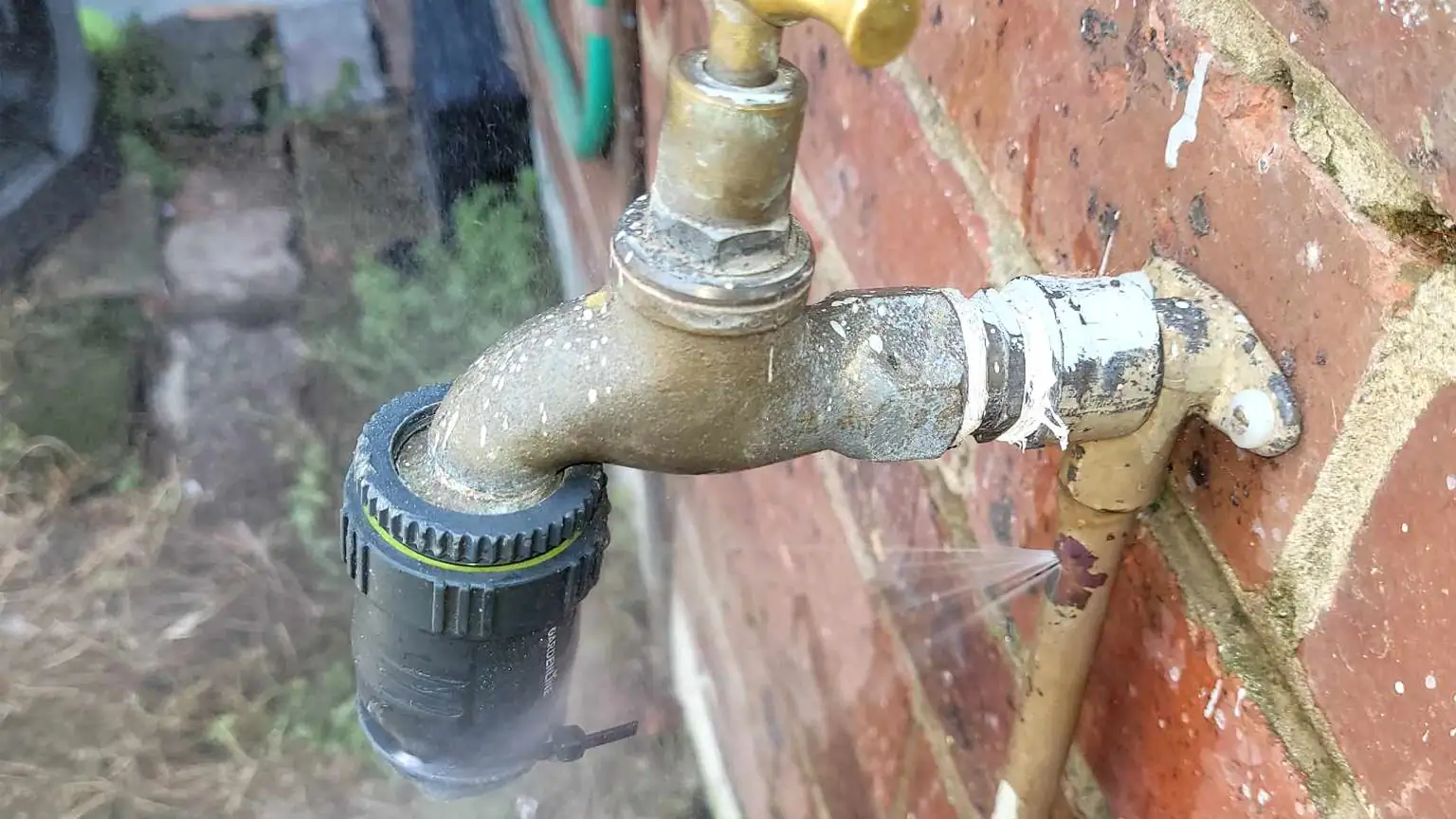
Ever noticed how life loves to throw curveballs at the worst possible moment? A calm evening… then suddenly water everywhere. A burst pipe doesn’t wait politely for business hours — it floods your hallway, drenches your sockets, and turns your home into a mini-wave pool. That’s when Burst Pipe Repair becomes the only thing that matters.
Here in Perth, ageing copper pipes, shifting ground, and those sneaky cold winter nights can mean hidden cracks finally give way. When the pressure hits, the leak isn’t cute — it’s chaos. So the question is: do you trust a quick DIY fix you saw online, or call someone who fixes disasters like this every day?
Let’s break down the smarter move — calmly, clearly, and without wet socks.
Burst pipes are the stuff of plumbing nightmares. One minute your water’s flowing normally; the next, there’s a geyser in your lounge room and an emergency in your roof cavity. Pipes can burst for many reasons: old corroded copper, shifting soil, or even clogged drains causing pressure.
In Perth, a new worry has emerged – certain polybutylene pipes used in homes a few years ago have started failing unexpectedly.
The WA government is on the case, investigating thousands of homes built around 2019-2020 for these “exploding” pipe situations. With that in mind, you need to act fast when you see a pipe give way, but how you act can save you money and headaches (or cost you a fortune and a lot of stress).
When a pipe bursts, every second counts. First, shut off your mains water valve to stop the flow. Then grab buckets or towels to contain the flood. These are “first-aid” steps anyone can do. Next comes the big decision: DIY repair or call in the pros?
DIY Burst Pipe Repair: Quick Fixes and False Economies
Rolling up your sleeves and playing handyman (or handywoman) can be tempting. You might think, “I saved on a plumber once; how hard can it be?” Some DIY fixes seem straightforward: wrap the leak with plumber’s tape, slap on epoxy putty, or clamp the cracked section with a rubber patch and hose clamps.
These home fixes can indeed temporarily slow or stop minor leaks. Plumber’s tape (PTFE tape) on a threaded joint or a DIY pipe clamp can work for a bit if the hole is tiny. For a small drip, a quick epoxy patch might seem like a victory.
But before you break out the duct tape, consider the downsides. Many DIY solutions are Band-Aids at best. Leak detection experts warn that materials like tape, putty, or sealants only provide temporary relief. If the pipe is corroded or under pressure, the crack or weakness remains. In practice, your “fix” might hold overnight, but by morning the leak could be back – possibly worse.
Here’s what happens in a lot of DIY attempts: the quick fix seems to work, and life goes on… until it doesn’t. A barely visible drip can soak inside walls, warp floors, and fuel mould, all while you blissfully ignore it.
These hidden drips quietly soak drywall and subfloors, creating the perfect conditions for mould and rot – which can cost thousands to remediate. In short, a small DIY patch now might mean a massive water damage claim later.
That said, for absolute first-aid, DIY isn’t always foolproof but it can buy a few hours. In a pinch, yes, grab some rubber patches or tape to stop the spray – but only until the real repair. Ultimately, the smartest move in an emergency could be to call a Reliable Plumber for Burst Pipe Repair. They have the tools to permanently fix the problem.
But we’ll get to that. For now, if you’re gauging whether a DIY fix is viable, ask yourself: “Is this a minor leak or a full-blown rupture?” If it’s anything more than a tiny pinhole, it might pay to skip the tape and pick up the phone.
The Pitfalls of DIY: Why Thrifty Can Become Thrifled
It’s easy to see the appeal of a DIY job: no labor fees means more beer money, right? But many homeowners underestimate how complex plumbing can be. A wrong turn on a wrench, or the wrong material, can make things worse.
Do you have the right pipe couplings? Is that old copper pipe the same diameter as your spare PVC? Mix them wrong, and you could cause galvanic corrosion – which is a fancy way of saying your pipes will corrode faster.
Even putting too much force on a fitting can crack it or strip the threads. Those compression fittings need to be “just right.” Too tight, and the metal cracks; too loose, and it leaks again.
Beyond the immediate dangers, DIY fixes can land you in hot water with the law (and your insurer). Many plumbing jobs must be done by licensed professionals under Western Australian regulations. Working on a pipe yourself can technically be a code breach – especially if it’s a significant repair – which might void your insurance if something goes wrong.
Imagine fixing a pipe only to have an inspector or buyer discover the amateur work later. You might face fines, denied insurance claims, or be forced to pay a pro anyway to redo it properly. Unauthorized repairs can hit you during a home sale, delaying or devaluing the sale. That shiny saving you hoped for could vanish.
There’s also the “endless work” trap. What starts as a quick fix can turn into a weekend project (or several weekends), digging into other areas. My mate once patched a burst pipe in the laundry with tape, only to find days later he was pulling up floorboards because the makeshift seal leaked under the concrete slab. Not exactly fun with a ‘cold beer in hand on Sunday afternoon’ vibe.
Hidden Cost of DIY: Many experts emphasise that DIY can carry hidden costs far beyond the toolbox. What seems like a cost-saving hack can lead to unexpected expenses like repeated repairs, increased water bills from tiny unseen leaks, and even legal headaches. In fact, the hidden costs of DIY repairs often exceed hiring a professional initially. Why? Because a wrong repair today can breed water damage or mould that demands expensive treatment later.
- Think of it this way: a small leak left unchecked could compromise your walls or foundations over months. By contrast, a licensed plumber fixes it right now, preventing that slow motion disaster.
DIY can be satisfying, sure. But with burst pipes, sometimes it’s the “satisfaction” of knowing you didn’t cause a bigger mess by the morning.
Professional Burst Pipe Repair: Expertise on Tap
So when should you hand over the reins to a professional? The short answer: as soon as the leak is anything serious, or if you’re not 100% sure what you’re doing. Licensed Perth plumbers have years of experience and access to gear you don’t. They won’t just slap tape on the problem; they can pinpoint the exact break, replace the right length of pipe, and ensure a code-compliant fix.
Professional repairs come with peace of mind. They’ll often include warranties on their work, so if the pipe cracks again (unlikely, but hey, Murphy’s Law), they’ll be back to sort it out. They also have licence and insurance: in WA “plumbing and gas work must be carried out by a licensed professional” for good reason.
A licensed plumber isn’t just a fancy title – it means they’re up-to-date on Perth’s plumbing codes and safety practices. One sneeze of code compliance by an amateur, and you could see fines or insurance issues. A pro means “done right, done safe, done once”.
Quickness matters too. A pro has seen thousands of leaks, so they can often diagnose and fix the issue in a flash. Licensed plumbers can diagnose and fix issues quickly using their expertise and special tools. Meanwhile, the DIYer may still be staring at YouTube tutorials or waiting for a part from the shop.
When water is pouring out, every minute costs. Pros also offer 24/7 emergency service. Pipe bursts don’t care if it’s 2 AM on a Tuesday. There are plumbers who’ll turn up in their PJs (okay, maybe not quite, but on standby) anytime the house is flooding.
To give an idea of cost, replacing a section of burst pipe can range from a couple hundred dollars for a small fix up to a few thousand for major re-piping. Yes, that might sting now, but it’s a fixed cost rather than a gamble.
Especially if your home’s been taken out of the emergency room and into elective surgery. As one expert firm notes, “addressing leaks promptly can keep repair costs below $500”, whereas extensive damage runs into thousands. (I know which number sounds better on a credit card statement.)
When an experienced plumber arrives, you’ll notice something: it’s not all elbow grease and brute force. They’ll assess the situation calmly. If needed, they use diagnostic tools (pressure gauges, leak cameras, etc.) to find hidden trouble.
In some cases, the fix might be to replace just a short pipe section – no drywall demolition – using quality materials that aren’t going to fail next week. Done right, with clamps and new sections, the problem is solved – not just hidden.
Speaking of drains, don’t forget that blocked drains often play a role in pipe bursts. A clog causes water pressure to shoot up in strange ways, sometimes bursting a weaker pipe joint. If your pipes are old and your drains get blocked easily, consider addressing that too.
Hiring experts who offer Blocked Drain Solutions can prevent future bursts by keeping the whole system flowing. Because hey, two birds with one stone: fix the leak and nix the clog that caused it in the first place.
DIY vs. Pro: Side-by-Side Comparison
| Factor | DIY Fix | Professional Repair |
|---|---|---|
| Initial Cost | Low (materials like tape, putty, clamps) | Higher (plumber’s hourly rate and quality parts) |
| Speed of Response | You (if you’re on site) – may be slow | Fast (24/7 emergency service available) |
| Tools & Materials | Basic home tools; quick-fix materials | Specialized equipment, commercial-grade parts |
| Quality of Repair | Patchy (often temporary) | Durable and to code; usually includes warranty |
| Time Required | Can be very time-consuming for novices | Efficient: pros fix issues in hours with experience |
| Risk of Further Damage | High if done incorrectly (hidden leaks, mold) | Low – experts ensure the root problem is solved |
| Legal Compliance | Risk of code violations | Complies with WA plumbing regulations |
| Insurance Impact | DIY repairs may void claims | Work done by licensed plumber is covered by insurance |
| Peace of Mind | None – must trust own skills | High – licensed professionals handle the stress for you |
This table summarises why “smarter” often means professional. Yes, DIY can feel frugal, but a quick fix is never truly free if it comes back to haunt you later.
When to DIY (and When to Pick Up the Phone)
I’m all for rolling up your sleeves when it makes sense. A dripping tap or clogged toilet – go for it. But with burst pipes, caution’s key. If it’s a small leak and you have some plumbing know-how, a temporary patch might buy time (but still plan on a professional fix soon).
However, if the pipe has split wide open or you can’t identify the cause, don’t muck about. A burst pipe demands urgent professional assistance. Temporary fixes won’t stop water damage. Waiting just isn’t worth it if your living room is turning into a water park.
If you do attempt a quick fix, remember to turn off the main water supply first – that’s a must. And always expect that your band-aid solution is just that: a very temporary bandage. Nothing replaces cutting out the bad section and welding in a new bit of pipe if the damage is serious.
And always remember, Perth’s local conditions matter. For example, if you have polybutylene plumbing, the Government advises contacting your builder under WA’s construction laws.
We’re in a unique spot in 2025: regulators are telling homeowners that homes built in 2019-2020 with certain pipes will get full replacements by their builders. In other words, don’t try to be a hero if your home is affected by this issue. Let the experts handle it.
Government Advice and Regulations
Yes, even the WA government has weighed in. A recent government announcement notes that burst polybutylene pipes (a specific plastic) have been causing leaks in new homes. Building officials are investigating the cause in Perth houses built around 2019-2020, and manufacturers have promised to replace affected pipes for free. That shows how serious the issue is – it’s not just your DIY patch or your plumber’s fix, but a statewide concern.
The takeaway? Follow official advice. The WA Department of Local Government, Industry Regulation and Safety explicitly suggests affected homeowners contact their builder first. And remember: Western Australian law requires licensed tradespeople for plumbing work.
So if it’s not a one-minute fix (like turning off water or clearing a small obstruction), it really does pay to go pro – not just for quality, but for legal peace of mind too.
Conclusion: Smarter, Not Harder
At the end of the day, the smartest repair is the one that actually holds. If you’re just stopping a small leak until help arrives, DIY can play a role. But if there’s any doubt, save the muscle ache and phone the plumber. As we’ve seen, the peace of mind from a licensed expert – backed by warranty and know-how – often beats the initial savings of a DIY gamble.
So the next time a pipe bursts, think of it as a high-stakes choice: Do you want to fix it quickly and safely, or do you want to play Jenga with your home’s plumbing? Remember that quick fix should be exactly that – quick and temporary. For a lasting solution, call in a pro with the right skills (and maybe a bit of creativity to make it less stressful). Your walls, wallet, and sanity will thank you.
If you found these tips helpful, share this guide with your mates. Got questions? Read on for our FAQ – or better yet, give a professional a call and get that leak sorted right. Stay dry out there!