
Imagine walking into your Perth home after a long day, ready for a relaxing evening, and suddenly something foul hits you not last night’s dinner, but rotten eggs. Now that’s not the welcome-home smell you expected! That odor is your cue that a gas leak might be happening.
I’ve been on enough emergency calls to know there’s nothing casual about sniffing gas. This guide will walk you through everything you need to know about gas line repairs, from spotting leaks to keeping your home safe.
A gas line is basically the hidden pipeline that brings fuel (natural gas or LPG) into your home to power stoves, heaters, and hot water. When it works, it’s invisible; when it doesn’t, it can spell big trouble. In Perth many homes rely on mains gas or bottled LPG, so knowing how to handle a gas line issue is crucial for any homeowner.
Let me be blunt: if you ever sniff that rotten-egg smell, don’t grab duct tape. Instead, call Perth Gas Line Repairs Experts to handle it safely. As someone who’s seen DIY plumbing go sideways, I can tell you a licensed gas fitter knows exactly what to do. In WA, the law actually demands it, so no cowboy hacks, okay?
Why Gas Line Repairs Matter
Leaks are no joke. Even a tiny gas leak is explosive when mixed with air, and it can poison your home with carbon monoxide while you sleep. I’ve dealt with enough horror stories where someone shrugged off a hiss or smell and ended up calling the fire brigade.
Gas fights back literally so never roll the dice on a leak. On top of that, a hidden leak will send your gas bill through the roof and could even void your insurance if left unaddressed.
In Western Australia, many older homes used black iron piping that corrodes over time. If your house is a few decades old, those steel lines could be rusting underground right now, so keep an eye out for corrosion signs. The bottom line: gas line issues should be treated as urgent, lives depend on it.
Spotting Gas Leaks Early
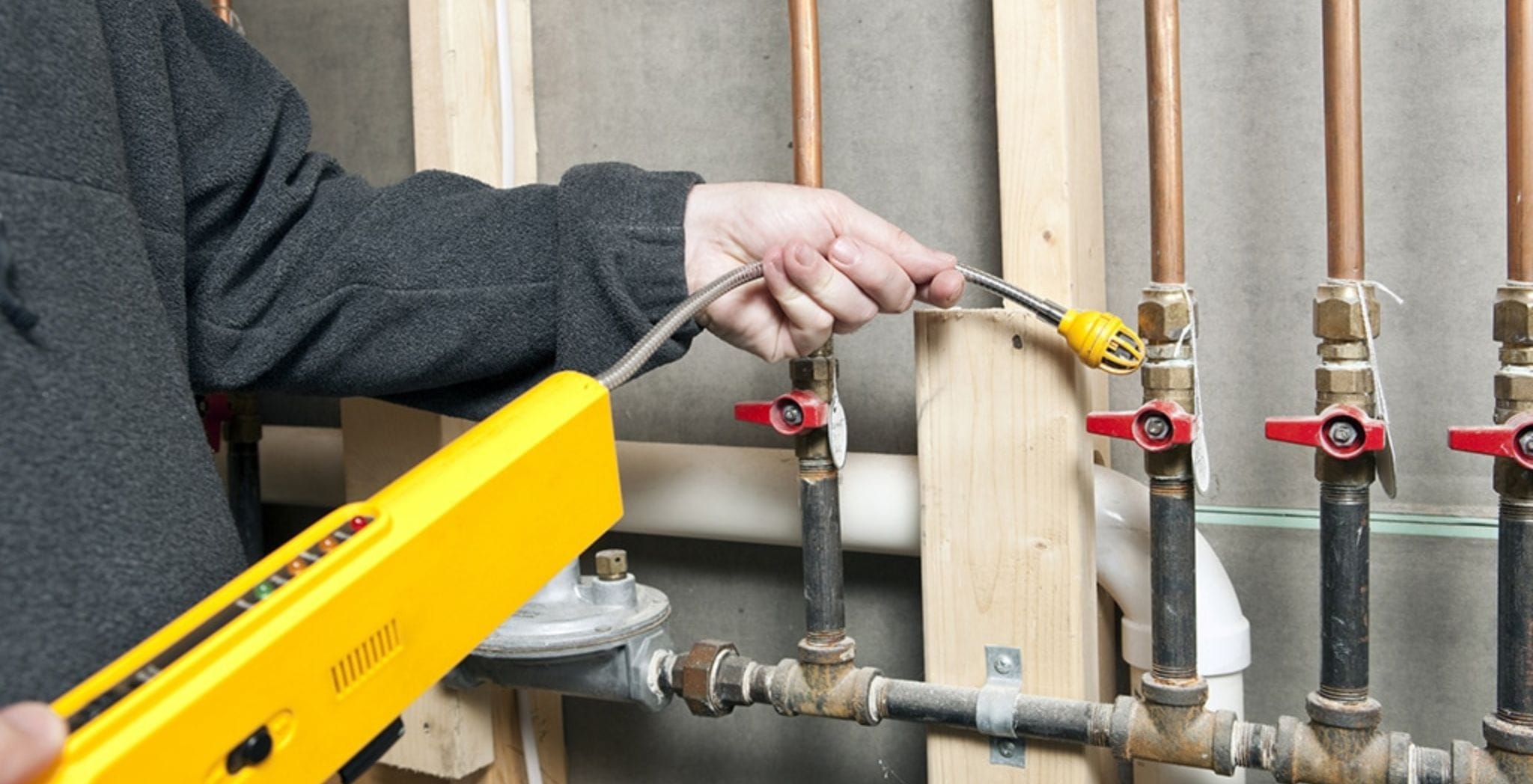
Spotting a gas leak isn’t rocket science if you pay attention. The most obvious sign is that rotten-egg smell (suppliers add an odorant so you notice leaks). You might also hear a faint hissing near a fitting, or see bubbles if you spray soapy water on a suspected joint.
Patches of dead grass or plants near a buried pipe (gas can kill roots), unexplained spikes in your gas bill, or burners that struggle to stay lit. Any of these signs means stop and check immediately – gas doesn’t fix itself!
- Smell: Sulfuric, rotten-egg odor around gas appliances or lines.
- Sound: A faint hissing or whistling noise near a gas line or appliance.
- Visual: Bubbling in water or dead vegetation along underground pipes.
- Appliance Behavior: Flames that keep extinguishing or unusually high gas bills.
What to Do If You Smell Gas
If you suspect a gas leak, stay calm but act fast. First things first: shut off the gas at the meter or cylinder valve to stop the flow. Then get everyone (and pets) out of the house. Open doors and windows on your way out to help ventilate if you can, but do not flip any electrical switches or light any flames.
Once you’re outside and safe, call emergency services (000) or your gas supplier, and have a licensed gas fitter come out. It can feel chaotic, but following these steps can save lives.
- Turn off the gas supply at the meter or cylinder valve.
- Evacuate all people and pets immediately.
- Ventilate by opening windows and doors (if safe).
- Do not use electrical switches, phones or lighters.
- Call emergency services (000) and your gas provider.
Official Gas Safety Advice
If you smell gas, listen to the experts. The WA Government’s official gas safety guidelines say it plainly: “Turn off the supply of gas at the meter or cylinder” and evacuate immediately. In other words, don’t stick around to argue with fate – get out.
They also stress calling emergency services. And keep in mind, WA law only allows licensed gasfitters to handle repairs, so once it’s safe, get a professional in to fix things.
DIY vs Professional Repairs
Look, I get it – you like rolling up your sleeves. But gas lines? That’s expert territory. In WA, only a licensed gas fitter can legally touch gas installations (no matter how impressive your toolbox is). A pro comes equipped with specialized tools like pressure gauges and electronic detectors to pinpoint and fix the issue properly.
Sure, hiring a pro costs more upfront, but it means the job is done safely, complies with regulations, and keeps your insurance valid. In short, don’t cut corners on gas repairs; call a qualified Perth gas fitter instead.
Cost of Gas Line Repairs
Gas line repair costs vary based on how complex the job is and how much pipe or equipment is needed. You’ll typically pay the plumber’s hourly rate (often $100–$200/hr) plus parts. As a very rough guide, see the table below:
| Service | Typical Cost (AUD) |
|---|---|
| Call-out fee (basic check) | ~$100 |
| Gas leak detection & repair | $150 – $600 |
| New gas pipeline installation | $1,250 – $3,500 |
| Gas appliance installation | $150 – $400 |
Of course, these numbers can swing higher in an emergency call-out or if your setup is tricky. The key is to get a clear quote upfront, and remember that the cost of ignoring a leak is far higher than the repair bill.
Preventive Maintenance Tips
Prevention is the best cure. Keep those gas lines happy by scheduling regular check-ups. Here are some quick tips:
- Have a licensed gas fitter inspect your system annually.
- Ensure gas meters and pipes are exposed and free from blockage.
- Replace appliance hoses or connectors every 5–10 years.
- Fit gas leak detectors or carbon monoxide alarms in living areas.
- Always use a gasfitter for any renovations or new appliance hookups.
- Replace LPG cylinders that are beyond their test date (usually 10 years).
Treat gas safety like servicing your car – a little maintenance goes a long way.
Conclusion
Gas line repairs might sound intimidating, but safety always comes first. We’ve gone through the warning signs, what to do in an emergency, and why only a licensed pro should handle the fix. If you smell gas, turn off the supply, evacuate, and call a licensed fitter – don’t delay. Stay on top of maintenance so gas stays the reliable energy you want.
Ready to be sure your home is gas-safe? Give a licensed gasfitter a call today and enjoy peace of mind (plus maybe a celebratory cold drink afterward). Stay safe, Perth!