
Perth has a funny way of making you crave the “good life” in small, practical upgrades. One minute you’re meal prepping in a kitchen that screams 2009, and the next you’re eyeing a sleek new gas cooktop like it’s a pair of Italian loafers. If you’re planning Gas Appliance Installations, I’m here to make the whole thing feel less like a mystery box and more like a smooth, confident upgrade.
In this guide, I’ll walk you through what Gas Appliance Installations actually cover in Perth, what you can expect to pay, and how you keep your home on the right side of safety and compliance. I’ll also call out the sneaky “gotchas” I see all the time because the only surprise you want is how good your pasta tastes on an even flame.
Choosing the right Gas Appliance Installations service provider in Perth plays a major role in ensuring the work meets safety standards and regulatory requirements.
What Gas Appliance Installations Cover
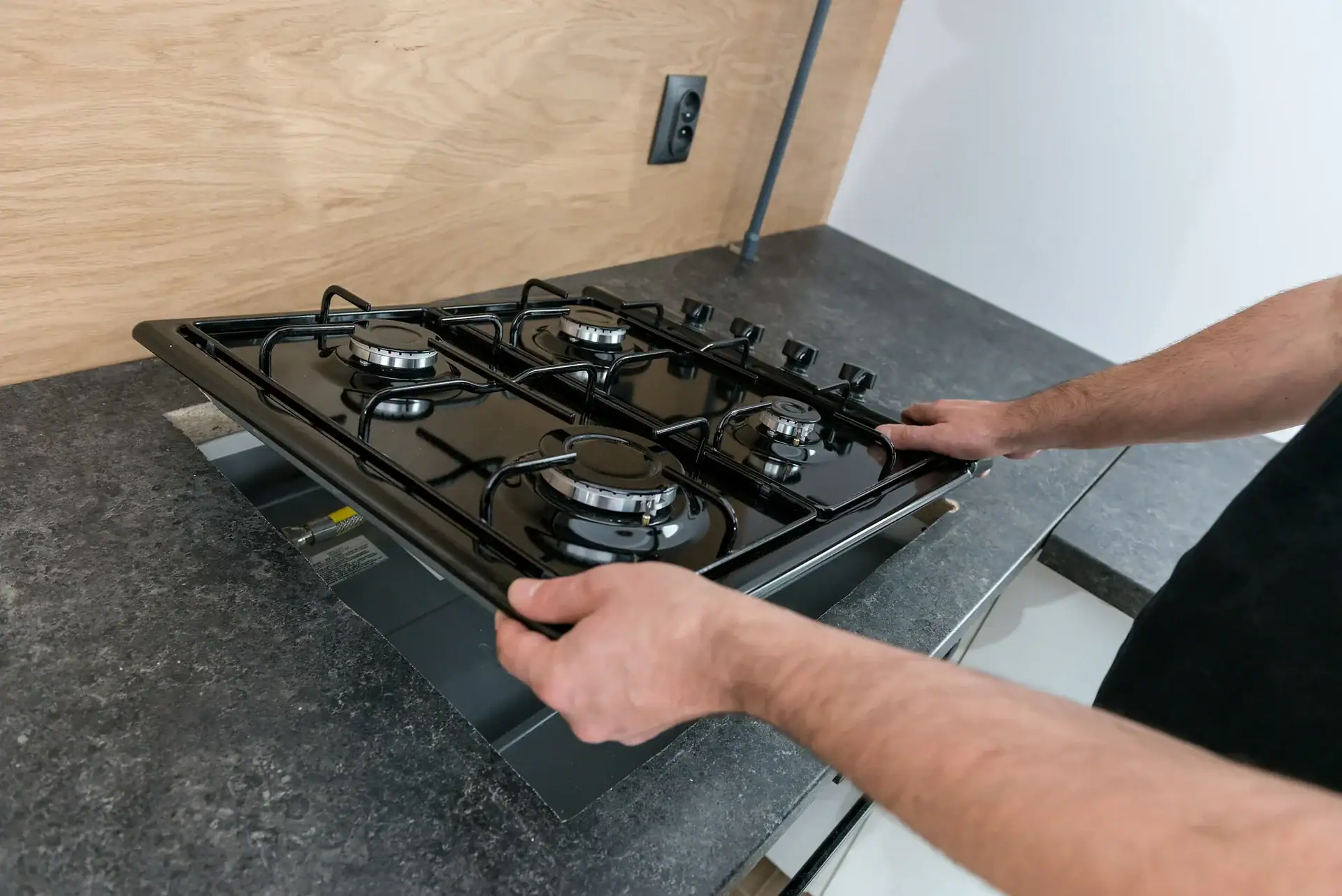
When I say Gas Appliance Installations, I mean connecting, relocating, or replacing gas appliances and gas points cooktops, ovens, hot water systems, space heaters, and alfresco BBQ connections. I also include the supporting work: pipe runs, bayonet points, isolation valves, regulators, testing, and commissioning.
Now for the serious bit with no scare tactics: Western Australia only allows licensed people to do gasfitting work, and that rule exists for a reason. With Gas Appliance Installations, you want a legitimate installer, solid testing, and clear paperwork so you can relax, not “hope for the best.”
Gas Appliance Installations Costs in Perth
Costs matter, so let’s talk about money. Gas Appliance Installations in Perth don’t come with a single price tag because every home hides its own quirks, tight cabinetry, long runs from the meter, or renovations that look great on Instagram but fight trades on site. Still, you can budget smarter once you understand what actually moves the price.
What you’ll pay for Gas Appliance Installations in Perth
I price most jobs around four buckets: labour, materials pipe, fittings, valves, compliance paperwork, and the “difficulty factor” aka how hard your place makes access. When you replace like for like in the same spot, you usually keep costs under control. When you move an appliance, extend pipework, or change ventilation or flueing, you usually spend more.
Here’s a practical budgeting snapshot. I’ve kept it as ranges because quotes change with access, distance, and what I find on site.
| Common job in Perth | Typical budget range AUD | What pushes it up |
| Connect or replace a domestic gas cooktop same location | $300 to $1,200 | New valve, awkward cabinetry, electrical extras |
| Install a commercial gas cooktop small venue | $500 to $1,500 | Capacity checks, access, ventilation extraction details |
| Install a commercial gas cooktop large kitchen | $2,000 to $5,000+ | New lines, major ventilation work, complex commissioning |
| Replace a gas instantaneous hot water system installed | $1,800 to $2,500 | Location, flueing, gas line suitability |
The cost drivers I check before I quote
If you want an accurate quote and not a nasty surprise, I like to confirm these:
Distance and access. A short run from the meter to the kitchen helps. A long run through roof space, brickwork, or tight zones takes longer and needs more material.
Gas supply capacity. Bigger appliances can demand bigger pipework and correct pressure. If you add appliances or upgrade to higher output gear, I may need to adjust parts of the line so everything runs safely.
Ventilation and flueing. Gas needs air to burn cleanly, and some appliances need proper flueing. If you ignore ventilation, you invite performance issues and safety problems.
Timing. After hours or urgent install windows can cost more. Perth traffic doesn’t care about your dinner party.
How to get a cleaner quote and a smoother install
When you call a gas fitter, you can speed things up and often reduce the back and forth by sharing three quick details:
- A photo of the appliance data plate or the exact model number from the manual
- A wide shot of the install location so I can see cabinets, clearances, and ventilation
- A photo of your meter box or cylinder setup so I can judge distance, access, and the existing line
I also ask one cheeky question: “What’s your deadline, and what’s your plan B?” If you’re hosting mates on Saturday night, I can factor in time for parts, testing, and commissioning. If you’re mid reno and the kitchen still looks like a construction zone, I can plan around that too.
Finally, I want you to watch for red flags in quotes. If someone won’t confirm licensing, won’t mention testing, or won’t give you compliance paperwork, you don’t get a bargain, you get a liability wearing hi vis.
Safety: the stuff I never “wing”
Gas behaves… until it doesn’t. With Installations, I focus on three things every time: leak prevention, correct combustion and venting, and easy shutoff.
- I test every joint and connection so gas stays inside the pipe.
- I stay alert for carbon monoxide risks, especially around heaters and flued appliances. CO can mimic flu symptoms like headaches, nausea, dizziness, and fatigue so I treat good installation and ventilation like non negotiables.
- I make sure you can reach the isolation valve without doing a yoga pose.
Compliance in WA
You don’t just pay for a flame, you pay for proof the system runs safely.
When you hire someone for Gas Appliance Installations, you should expect:
- A clear scope of work what I connect, replace, or extend
- Testing and commissioning so the appliance runs as designed
- Compliance documentation so you keep records for resale and peace of mind
If you want a quick quote comparison checklist, use this:
| Ask this | You get this |
| “Are you licensed for gasfitting in WA?” | Legal authority and verified competency |
| “Will you give me the compliance paperwork for this job?” | A record that supports safety and compliance |
| “Will you leak test and confirm your performance before you leave?” | Evidence the appliance behaves properly |
Before you book anyone, take five minutes to skim Building and Energy’s gas safety at home guide. It’s the simplest, most Perth relevant government rundown of what you should do around gas especially if you smell gas, use heaters, or run outdoor appliances.
How Gas Appliance Installations usually run
Most domestic jobs follow a simple flow:
- I confirm the appliance details and gas type natural gas or LPG.
- I inspect the existing setup, then I agree on the plan with you.
- I connect or modify pipework, then I test thoroughly.
- I commission the appliance and finish the compliance paperwork.
Conclusion
Gas Appliance Installations can upgrade your daily life fast, better cooking control, easier entertaining, and that cosy winter comfort without the electric bill jump scare. When you plan the job well and hire a licensed pro, you control the cost and avoid compliance headaches.
If you want Gas Appliance Installations in Perth, send me your suburb, the appliance model, and a couple of photos meter box and install location. I’ll tell you what I’d do, what will drive the price, and how quickly you can get it sorted.